Core implementation
- Custom pricing and discount rules
- Product and cart business logic
- Checkout fields and validation
- Order automation and custom statuses
- Admin tools for operations teams
- Refactoring important snippets into maintainable plugins
When the store has a business rule that no ready-made plugin models correctly, we build the missing WooCommerce functionality around the real workflow.
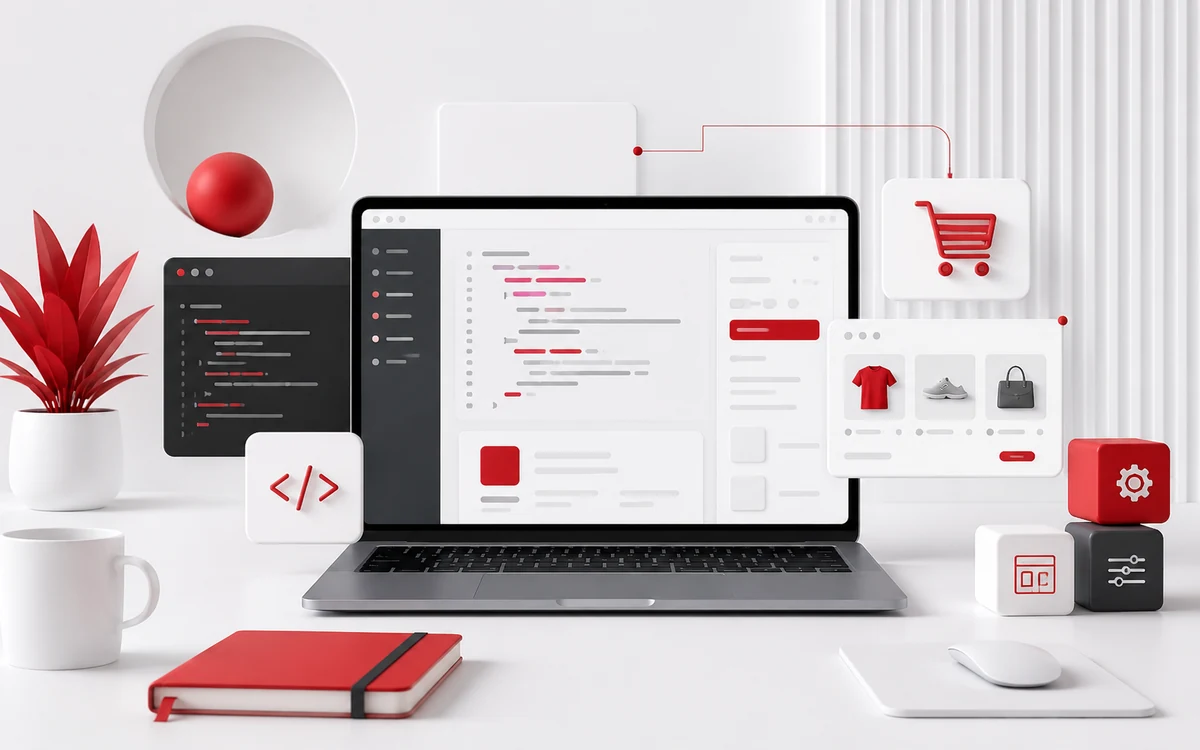
WooCommerce is intentionally extensible, but years of small snippets, copied functions and overlapping plugins can turn simple changes into risky work. A custom feature should have a clear responsibility, use the WooCommerce APIs and hooks correctly, and remain understandable during future updates.
We handle focused changes as well as larger modules: pricing rules, product configuration, order automation, customer portals, checkout validation and back-office tools.
The exact scope depends on your current architecture and business process. These are the areas we most often cover.
Custom code is valuable only when it solves the rule cleanly and does not make future updates, debugging or handover harder.
Hooks, APIs and supported extension patterns are preferred over editing core or tightly coupling logic to the theme.
Important rules live in a plugin or service layer, not inside a template file or anonymous code snippet.
When a feature introduces new state, we decide where it is stored and how it behaves during imports, refunds and edits.
We test admin actions, customer paths and edge cases rather than only checking whether the happy-path screen renders.
We do not start with a technology choice. We start with the failure mode, the business rule and the evidence.
We decide whether one focused extension is safer than stacking overlapping plugins.
We identify boundaries, data ownership and what deserves a maintained plugin/module.
We separate true business requirements from changes that can stay within core behavior.
A deployment is not “done” because the happy path worked once. We agree what must remain true in production.
We describe the business behaviour and edge cases before writing code.
We use WooCommerce APIs, hooks or a dedicated plugin instead of modifying core files.
The feature is isolated from the theme where possible and tested against the relevant order flow.
Future developers should understand why the feature exists and where its key decisions are made.
The engagement should leave you with working software and a clearer technical situation than before.
Yes. We can extend it, refactor it or extract important logic into a dedicated plugin.
That is the goal. We avoid core modifications and use supported extension points whenever possible.
No. A focused technical feature can be a good project if the problem and scope are clear.
Sometimes yes. We first verify whether consolidation will genuinely reduce complexity and maintenance risk.
Complex projects often combine more than one area. These services are commonly connected.
If you are not sure whether the right first step is an audit, integration or custom code, describe the symptom. The scope can follow the diagnosis.
Short technical brief →Send us a short description of the store, the current problem and the systems involved. We will tell you what we need to assess next.